
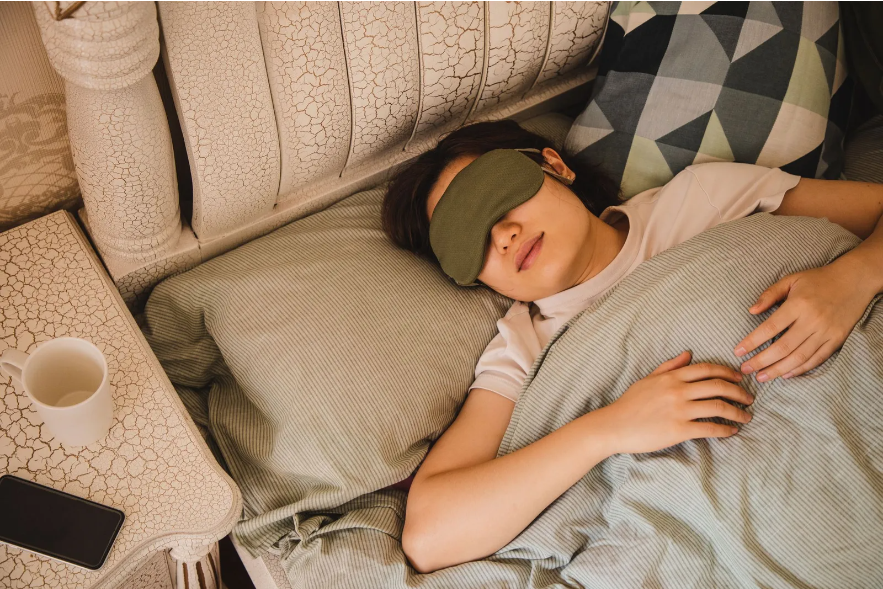
As night falls, the body seeks that peaceful curve in bed. Sleeping postures may seem trivial, but they subtly shape our vitality and comfort. Choosing the right one is the best gift for tomorrow.
The Elegant Balance of Sleeping on Your Back
Sleeping on your back keeps the spine straight, evenly distributing weight and avoiding localized pressure. The cervical spine and joints benefit from this, often resulting in a refreshed feeling upon waking, especially suitable for those suffering from back pain.
However, be careful as the tongue may fall back, potentially worsening snoring or breathing difficulties. This position should be used with caution if you have sleep apnea.
A pillow of moderate height further protects the natural curvature of the neck.
The Dual Charms of Side Sleeping
Sleeping on your side opens the airway, making it a universally recommended choice by doctors, reducing snoring interference with sleep quality. The left side aids digestion and prevents acid reflux; the right side protects the heart, stabilizing blood pressure and heart rate.
A pillow between the knees can alleviate hip pressure. Left-side variations are especially recommended for late-term pregnant women to promote smooth blood flow.
Prolonged pressure on the same side of the face can cause fine lines and asymmetry; alternating sides or sleeping on your back can help.
Hidden Dangers of Prone Sleeping
While prone sleeping allows for unobstructed breathing, it twists the cervical spine into a bow shape, and the arched back bears extra burden. Internal organs are compressed, often accompanied by soreness and numbness upon waking; this position should not be maintained for extended periods.
Nerves in the arms and legs are easily affected, leading to chronic discomfort. This position is even more dangerous for infants and young children.
If unavoidable, choose a thin pillow and gradually change the habit.
The Gentle Trap of Curling Up
The fetal curl-up provides a sense of security but compresses the chest cavity, and shallow breathing affects oxygen supply. The twisted neck and back can easily lead to stiffness and pain over time.
Suitable for short-term comfort, but maintaining this position all night can damage the spine’s natural curve. Stretching slightly can avert danger.
There is no perfect sleeping position; adjusting to your body’s signals is the long-term solution. Try changing your position tonight to greet a refreshed morning.
